Animal Diagnostic Imaging in Richardson, TX
At Safe Harbor Vet in Richardson, TX, advanced internal imaging such as pet endoscopy allows veterinarians to examine a pet’s digestive and respiratory systems without the need for invasive surgery. This minimally invasive technique uses a flexible camera to view internal organs in real time while the patient is safely under anesthesia, often requiring only small access points.
As part of modern animal diagnostic imaging, it helps clinicians identify conditions earlier and with greater accuracy, especially in cases involving chronic vomiting or subtle tissue changes that may not appear on X-rays or other standard imaging methods.
As a veterinary emergency clinic, Safe Harbor Vet is also equipped to evaluate urgent and time-sensitive cases where rapid diagnosis can make a critical difference. This capability allows the team to quickly determine whether endoscopic evaluation is appropriate during an active medical concern. In many situations, early intervention can help stabilize patients and guide immediate treatment decisions.
What Happens During A Pet Endoscopy Procedure
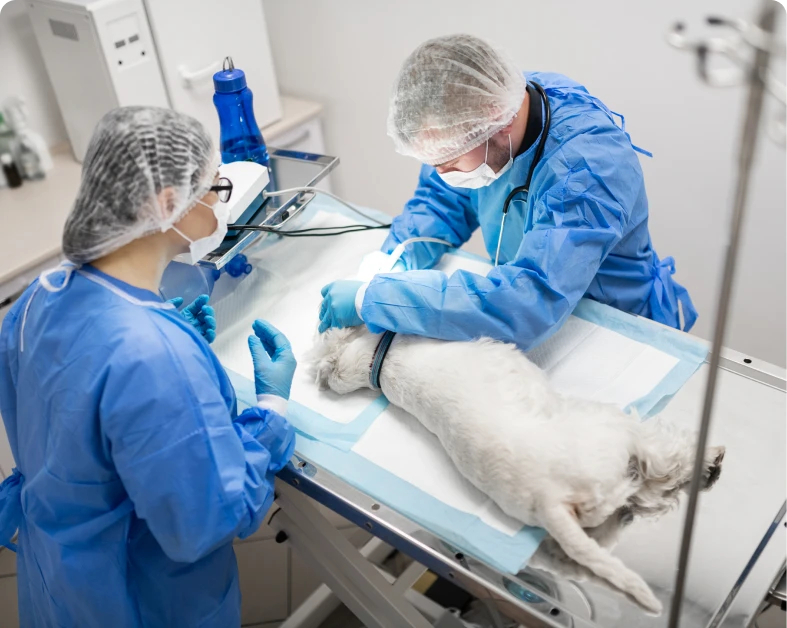
The procedure begins with a thorough pre-anesthetic evaluation to ensure the pet is stable for sedation. Once the patient is safely under anesthesia, a small endoscope is gently guided through natural openings such as the mouth or nose, depending on the area being examined.
The veterinary team views live internal images on a monitor, allowing immediate assessment and, in some cases, collection of tissue samples for further laboratory analysis. Throughout the process, Safe Harbor Vet specialists continuously monitor vital signs to maintain safety and comfort. This real-time visualization also helps the team make immediate decisions if unexpected findings are present during the procedure.
Recovery And Aftercare Expectations
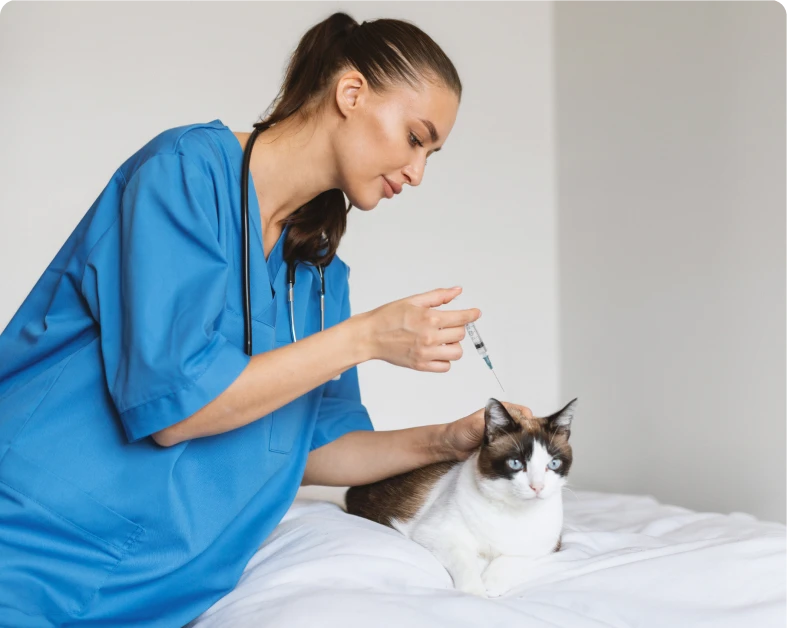
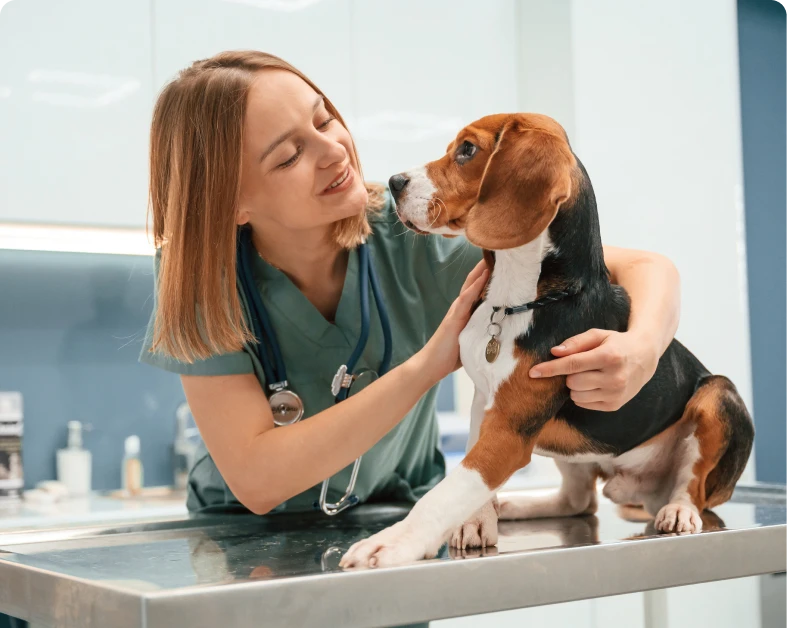
After a pet endoscopy, most pets begin recovery within a few hours as anesthesia wears off. Mild grogginess or reduced appetite may occur temporarily, but serious discomfort is uncommon due to the minimally invasive nature of the procedure.
Pet owners are usually given tailored instructions on feeding and activity restrictions if needed. Follow-up communication helps interpret results and determine whether additional treatment or monitoring is required.
To learn whether pet endoscopy is appropriate for your pet, contact us today in Richardson, TX, to schedule a consultation with our specialists' care team. Our team is here to help you understand the next best steps and ensure your pet receives timely, compassionate care.
Frequently Asked Questions
What conditions can pet endoscopy diagnose?
It can help identify foreign objects, chronic vomiting or diarrhea, gastrointestinal inflammation, and other internal issues that may not be visible on standard imaging tests.